
Common Appliance Problems in Brookline Homes
When a refrigerator stops cooling in a third-floor Coolidge Corner apartment, the food spoils fast — and hauling a replacement up a narrow pre-war staircase is nobody's idea of a good afternoon. That kind of pressure is why most Brookline homeowners and tenants want a diagnosis before they commit to replacing anything.
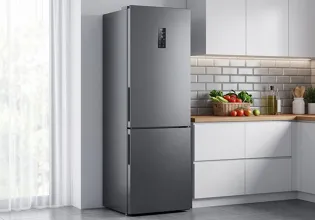
- Refrigerators that run constantly but never get cold enough — often caused by a failing evaporator fan or a condenser coil caked with dust, especially in kitchens where the fridge is wedged into a tight alcove with almost no airflow behind it.
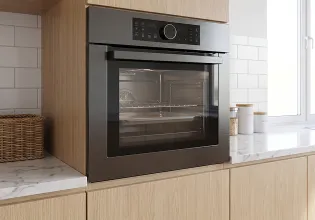
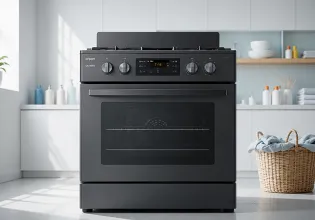
- Gas stoves and ovens that won't ignite or heat unevenly. In older Brookline homes, the gas shutoff valve behind the range can be corroded or hard to reach, which matters before any repair work starts.
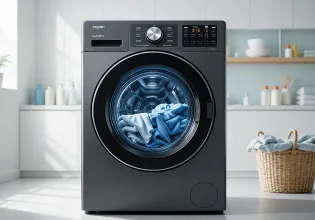
- Washers leaking onto a basement floor or failing to drain. In multifamily buildings, shared drain lines sometimes back up and make the washer look broken when the real problem is downstream.
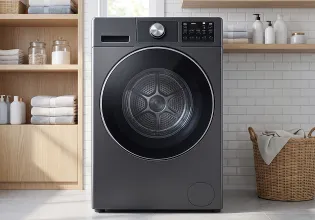
- Dryers that take two or three cycles to dry a load — usually a venting issue, and in Brookline's older buildings the vent run can snake through walls and across a basement ceiling before it reaches the outside.
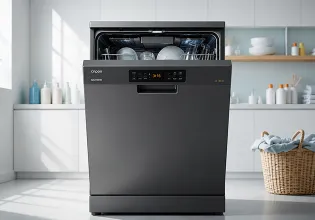
- Dishwashers leaving dishes dirty or standing water in the tub after a cycle. Worth checking whether the drain hose has a proper high loop, since many older installations skip that step.
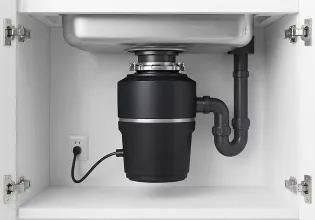
- Garbage disposals that hum but won't spin, or leak from the bottom mounting flange.
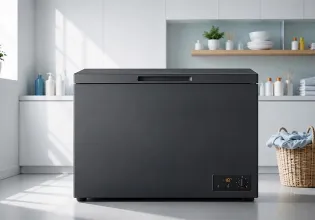
- Freezers building heavy frost or warming above safe temperatures, sometimes triggered by a worn door gasket that no longer seals against the frame.
Local Utility, Permit, Safety, and Disposal Factors in Brookline
If a repair turns into a replacement — or if the job involves new gas, electrical, or plumbing connections — Brookline has its own permit requirements that are easy to overlook. The Brookline Inspectional Services Department issues gas permits for any gas appliance installation or replacement, including stoves, ovens, and gas dryers. Electrical permits are required when appliance work involves new or modified wiring. And if you're adding a dishwasher or garbage disposal that connects to the water supply or drain, you'll need a plumbing permit. Before your installer starts work, ask whether they've pulled the right permit through Town Hall. Skipping that step can cause problems down the road, especially if you sell the property.
Massachusetts state law backs this up. Under the Massachusetts state plumbing and gas fitting code, gas connections and plumbing work must be performed by a licensed plumber or gas fitter. That's not optional. If someone offers to hook up your new gas range without a license, that's a red flag.
Inspectional Services Department
333 Washington Street
Brookline, MA 02445
Phone: (617) 730-2330
Official Website
Gas appliance safety ties directly into fire prevention. Carbon monoxide detectors are required in Brookline residences with fuel-burning appliances — that's codified under Massachusetts fire prevention regulations and enforced locally by the Brookline Fire Department. If you're having a gas dryer or range repaired and your CO detectors haven't been tested recently, that's worth checking the same day. Dryer venting clearance requirements also fall under the state fire code — and in Brookline's older multifamily buildings, where a dryer vent might run ten or fifteen feet through an interior wall before exiting, lint buildup becomes a real fire hazard faster than most people expect.
Brookline's water comes from the Massachusetts Water Resources Authority, which draws from the Quabbin and Wachusett reservoirs. The water quality is generally good, but pressure and mineral content can still affect appliance performance. Dishwashers may leave spots or residue if the inlet valve isn't delivering enough flow, and refrigerator ice makers with thin quarter-inch water lines can clog or freeze if sediment builds up at the valve screen. When a washer fills slowly, the problem is sometimes just a kinked supply hose — but in older Brookline buildings with original plumbing, low pressure at the fixture can also be the cause.
You can't just drag a dead washer to the curb on trash day here. Brookline runs a separate Brookline bulk item collection program through the DPW, and pickups must be scheduled in advance. Refrigerators and freezers have an extra requirement: Freon removal certification before the town will collect them. Washers, dryers, and dishwashers are accepted through the same program, but none of it happens without an appointment. That's a meaningful difference from some neighboring communities where you can put large items out on a designated collection day without calling ahead.
What Makes Appliance Repair in Brookline Different
Brookline sits almost entirely inside Boston's borders, but it operates as its own town with its own permitting office, its own DPW, and its own fire department. That means the permit you'd pull in Boston for a gas stove swap doesn't apply here — you go through Brookline's Inspectional Services at 333 Washington Street, not Boston's ISD. The disposal rules are different too: Brookline's appointment-based bulk pickup with Freon certification requirements is a separate system from Boston's large-item collection. For a technician or homeowner, knowing which town's rules apply to a specific address matters more than it might seem.
The housing stock also shapes the work. Brookline is dense with apartments, condos, and older multifamily buildings — many with compact kitchens, basement laundry rooms reached by steep stairs, and original gas lines that have been in place for decades. Getting a full-size refrigerator into a second-floor unit through a narrow hallway with a tight turn at the landing is a different job than rolling one into a suburban garage. That access reality makes repair the smarter first option more often than not.
Appliance Replacement and Household Equipment Considerations in Brookline
When a repair no longer makes sense — the compressor is shot, the drum bearings are gone, the control board costs more than a new machine — the next steps in Brookline involve more than just ordering a replacement online. Start with disposal: you'll need to schedule a bulk item pickup through the DPW before or shortly after the new appliance arrives. If the old unit is a refrigerator or freezer, you'll also need Freon removal certification, which usually means coordinating with whoever is hauling it out.
If the new appliance connects to gas, the installer needs to pull a gas permit through the Brookline Inspectional Services Department before starting work. The same goes for electrical permits when the new unit requires a different outlet or circuit — common when upgrading from a standard electric dryer to one that needs a 240-volt connection in an older building that was never wired for it. Plumbing permits apply to new dishwasher or garbage disposal installations that involve supply or drain connections. Ask the installer to confirm the permit situation before delivery day, not after.
In condo buildings, there's often an additional step: reserving the elevator or coordinating with building management for hallway access. Some Brookline condo associations require advance notice for appliance deliveries, and a few restrict the hours when large items can be moved through common areas.
Town of Brookline Department of Public Works
333 Washington Street
Brookline, MA 02445
Phone: (617) 730-2156
Official Website
Massachusetts consumer protection law under Chapter 93A also applies to appliance repair and installation agreements. If a service provider charges for work not performed or misrepresents a warranty, Brookline residents can file a complaint with the Attorney General's office. The law allows double or triple damages for willful violations — something worth knowing before signing a repair agreement with an unfamiliar company.
Areas We Serve Throughout Brookline
We handle appliance repair calls across all of Brookline's officially recognized neighborhoods. Here's what we typically see in each area:
- Coolidge Corner — Heavy concentration of apartments and condos above street-level retail. Kitchens tend to be compact, and getting a full-size appliance up a narrow interior staircase often requires removing doors from their hinges first.
- Brookline Village — A mix of older homes and multifamily properties, many with original gas lines. We often check the shutoff valve condition before starting any gas range or oven repair here.
- Washington Square — Mostly residential with a good number of mid-century apartment buildings. Dryer vent runs in these buildings can be long, and lint buildup is a common reason dryers underperform.
- Chestnut Hill — Larger single-family homes, often with built-in refrigerators and higher-end cooking appliances. Access is usually easier, but the appliances themselves tend to be more complex to diagnose.
- Longwood — Close to the medical area, with many rental apartments. Landlord coordination is usually part of the process here — worth confirming who authorizes the repair before we arrive.
- South Brookline — More single-family homes and some newer construction. Basement laundry setups are common, and washer drain issues sometimes trace back to older floor drains that have partially silted up.
- Fisher Hill — Stately older homes with spacious kitchens but aging infrastructure behind the walls. Electrical panels in some of these houses are original and may not support modern appliance loads without an upgrade.
- Pill Hill — Quiet residential area with a mix of older homes. Gas appliance work here often means working around original plumbing and gas piping that hasn't been updated in decades.
- Beaconsfield — Apartment-heavy area near the Green Line. Tight parking can affect scheduling, and building access sometimes requires buzzer coordination with tenants.
- Putterham — Toward the southern edge of town, with more suburban-style homes. Appliance access is generally straightforward, but some older split-level layouts put the kitchen on a half-floor that complicates moving large units in or out.